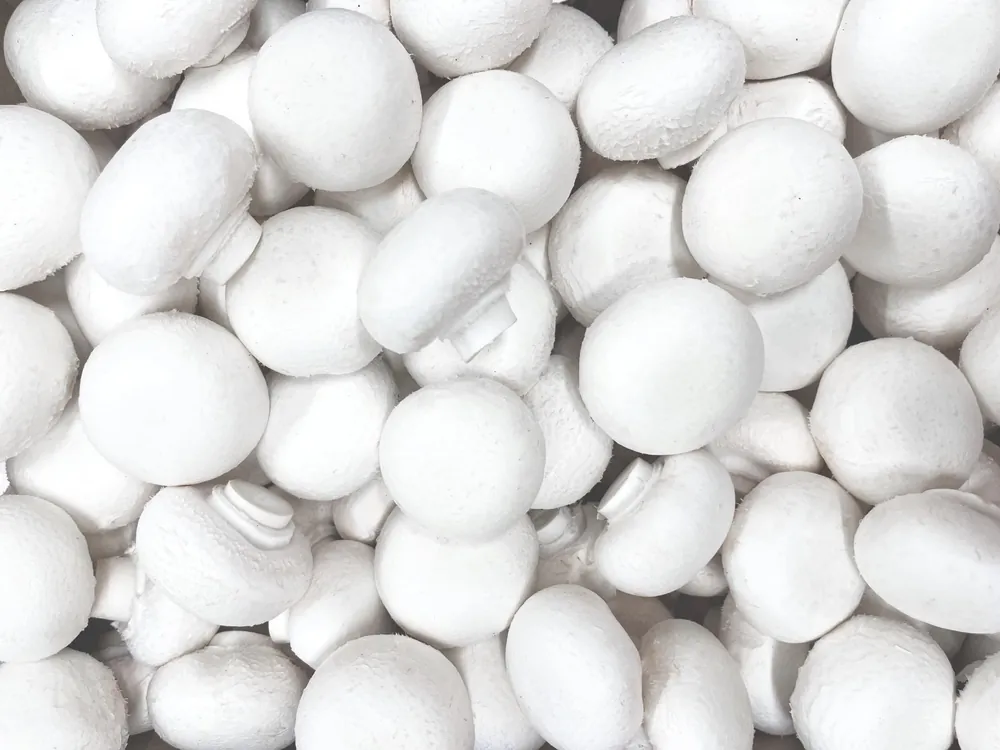
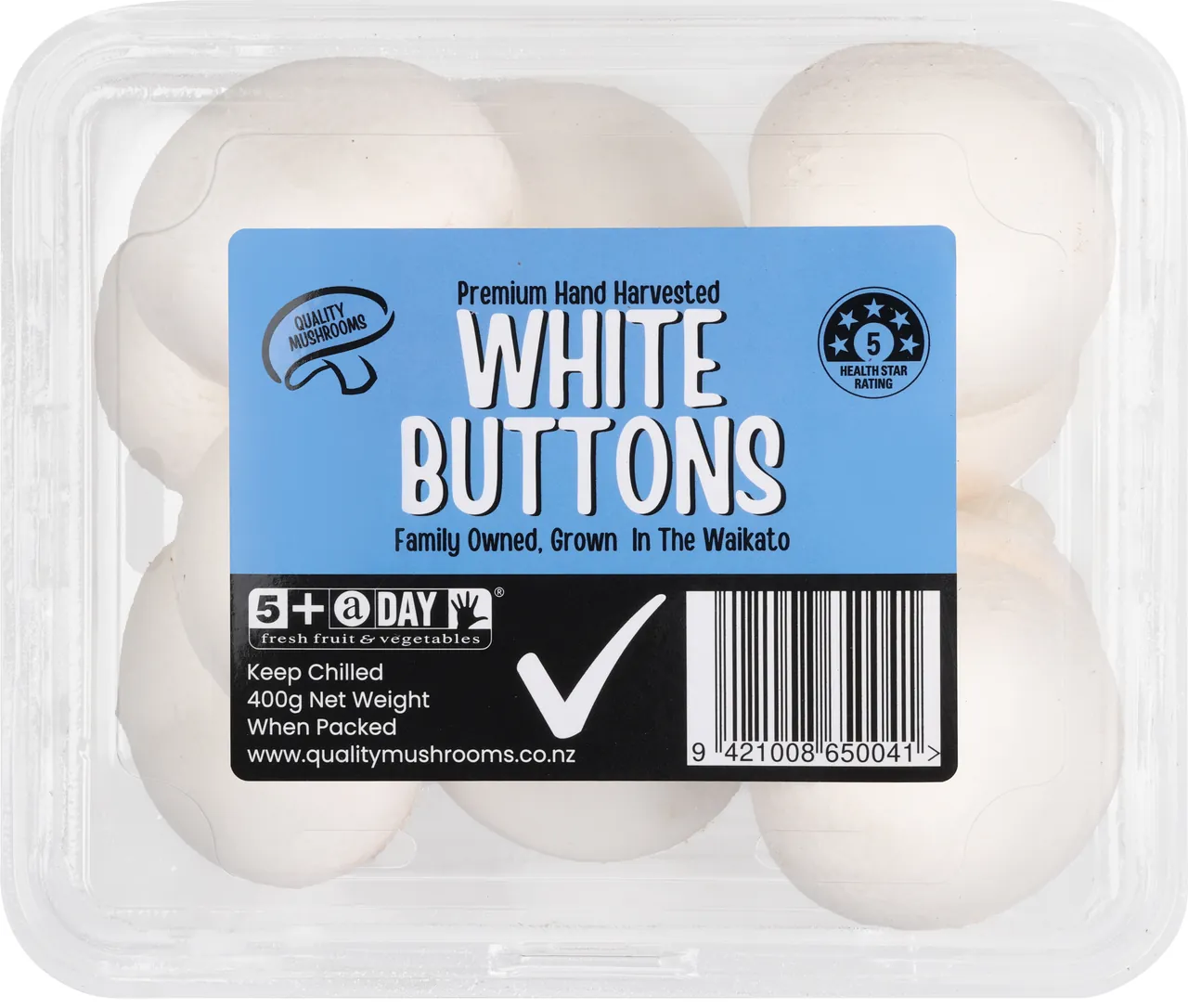
White button
Also known as: Button
- Looks
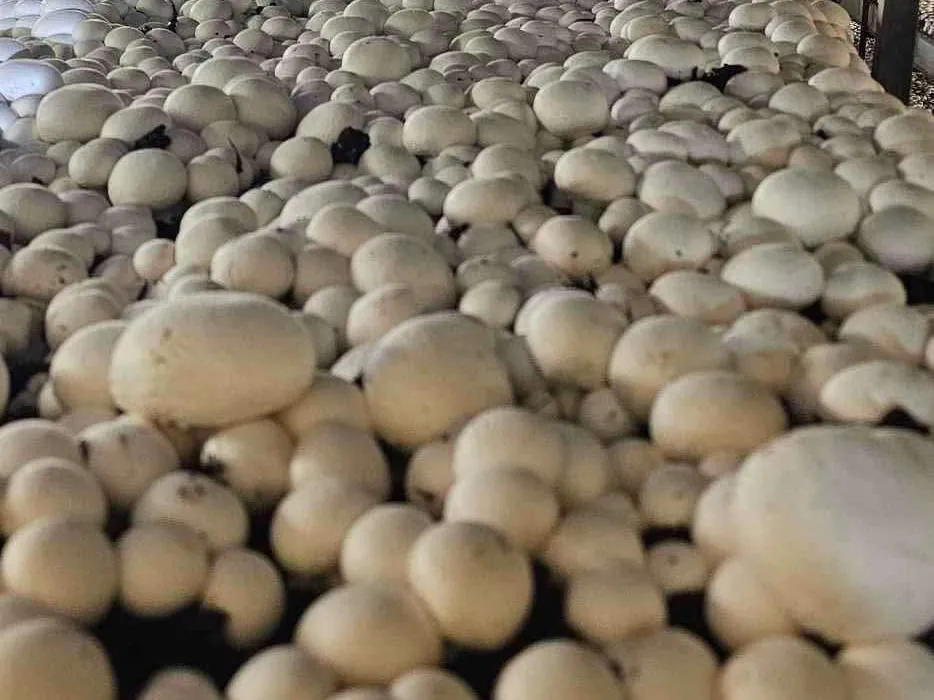
- White to beige caps that vary in size, with the veil still closed.
- Flavour
- Delicate, and stronger when cooked.
- Best for
- Very versatile, fresh or cooked: salads, kebabs, soups and stir-fries.
Mushroom facts
The varieties grown in New Zealand, why they're so good for you, and the fascinating journey from straw to punnet.
Know your mushrooms
White button, Swiss brown and portobello mushrooms are the everyday varieties grown in New Zealand. Exotic kinds — shiitake, oyster and enoki — bring their own textures and flavours.
Also known as: Button
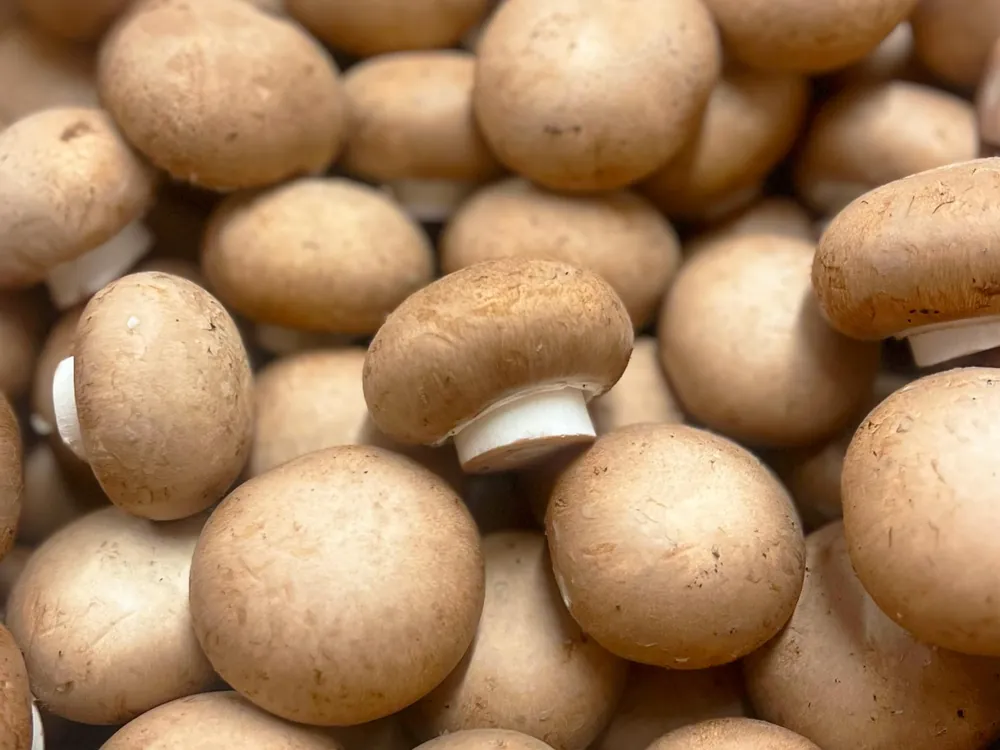
Also known as: Gourmet, crimini or brown button
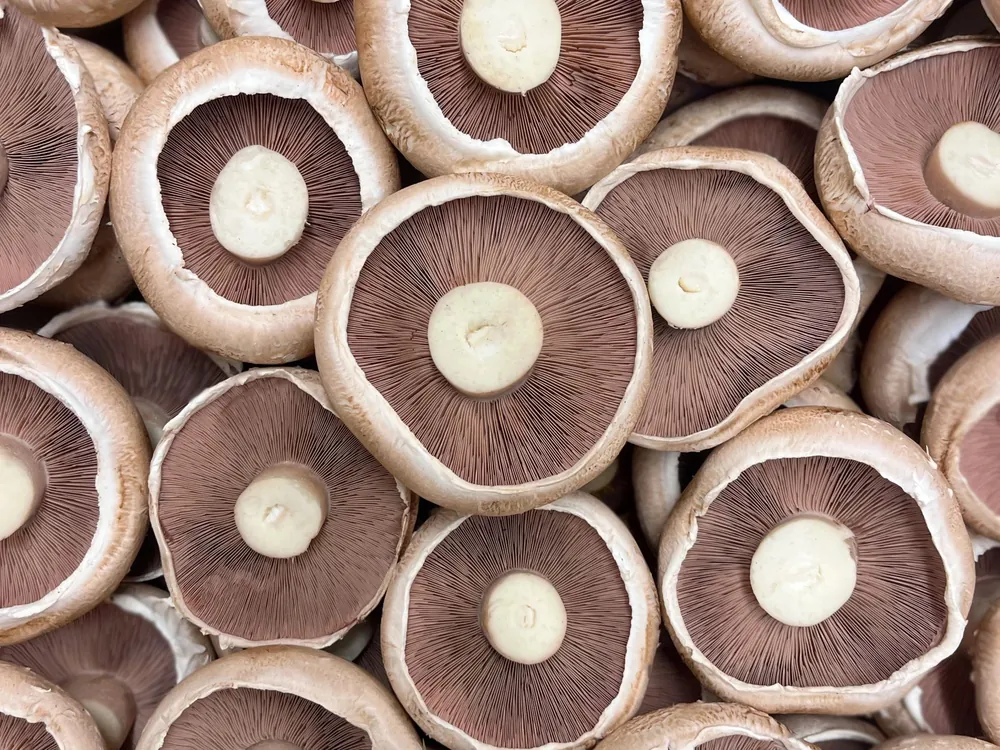
Also known as: Brown flat or field
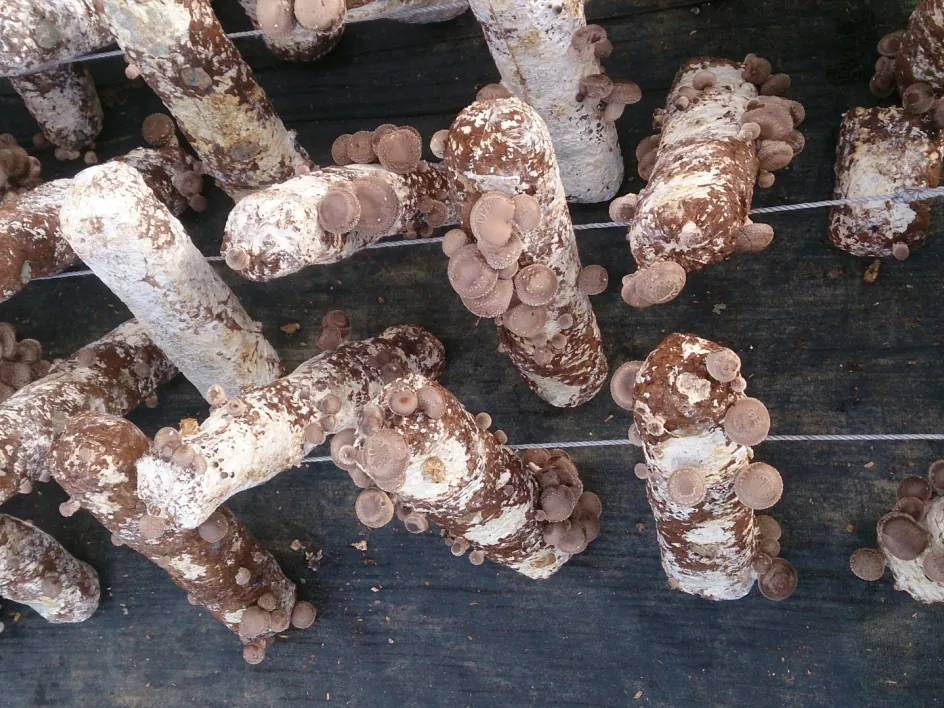
Also known as: Exotic
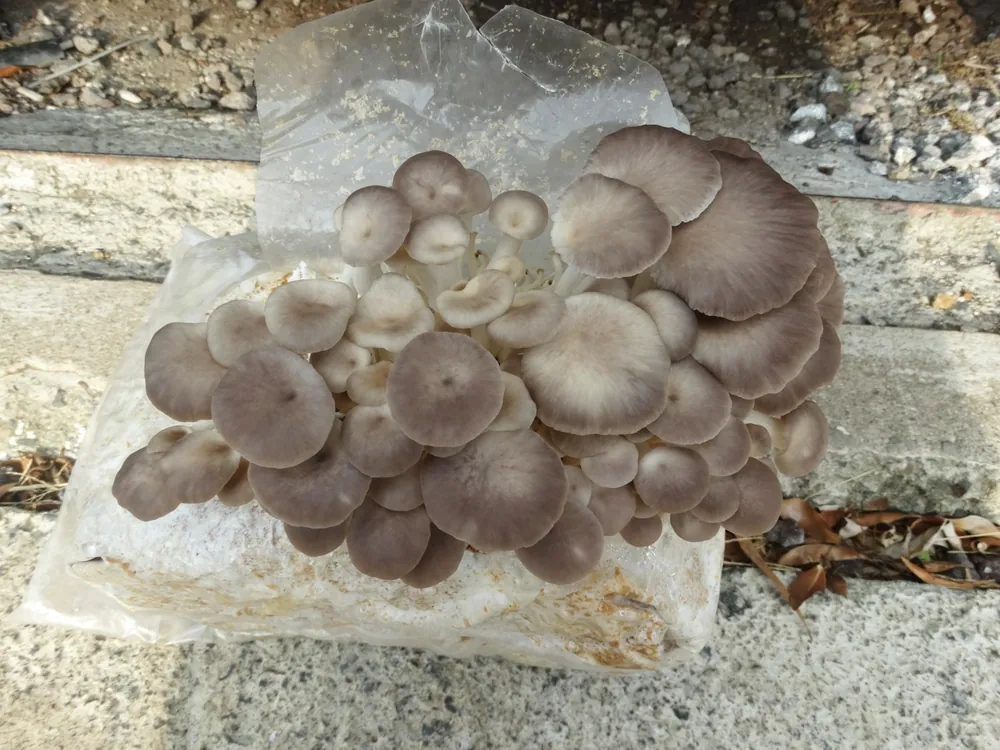
Also known as: Exotic
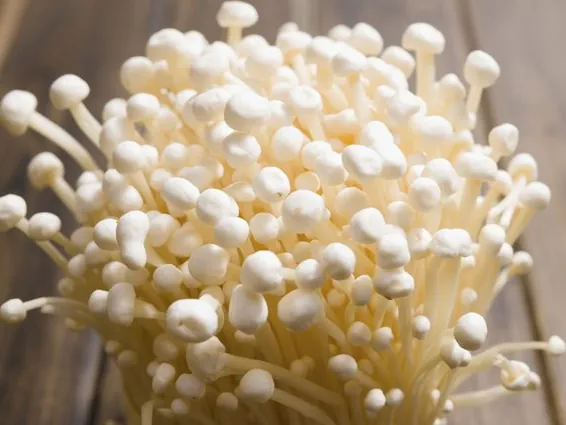
Also known as: Enokitake (Flammulina velutipes)
Nutrition
Mushrooms are low in fat and carbohydrate, high in potassium and low in sodium, and an important source of B-group vitamins and the trace mineral selenium. That makes them especially valuable for vegetarians.
A New Zealand analysis by Crop & Food Research found mushrooms to be:
Source: Nutritional quality of mushrooms, Dr Carolyn Lister, New Zealand Institute for Crop & Food Research, December 2003. RDI = recommended daily intake at the time of the study. Figures are indicative. For dietary advice, talk to a health professional.
How mushrooms are grown
Mushrooms don't need light to grow. They get all their goodness from the rich compost they grow in, so farmed mushrooms are grown indoors and are available all year round.
Growing them is part science, part craft. Here's the journey from a bale of straw to the punnet in your trolley.
Good-quality wheat straw is wetted over several days, then a protein source (often chicken litter) and gypsum are added.
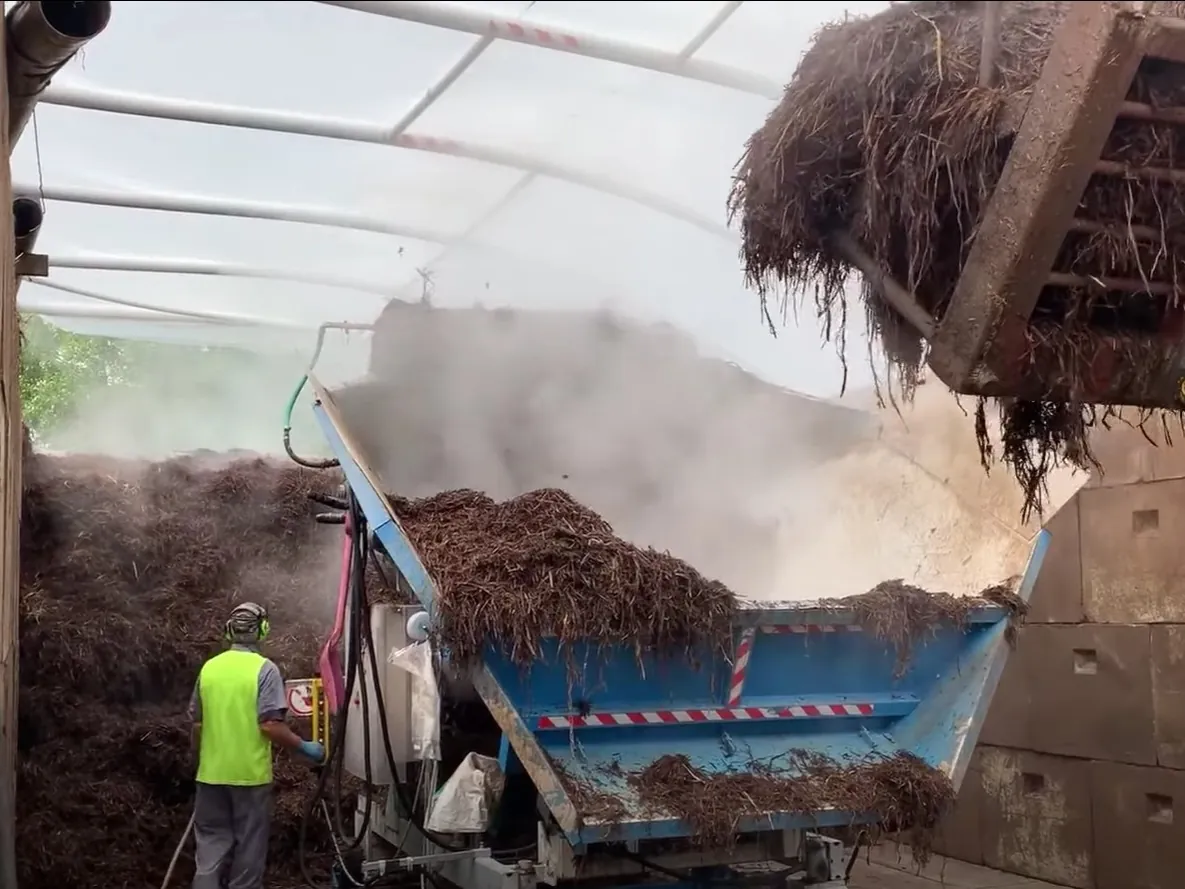
The compost moves into a specially insulated room with powerful fans and under-floor air. Again, it's a natural process driven by micro-organisms.
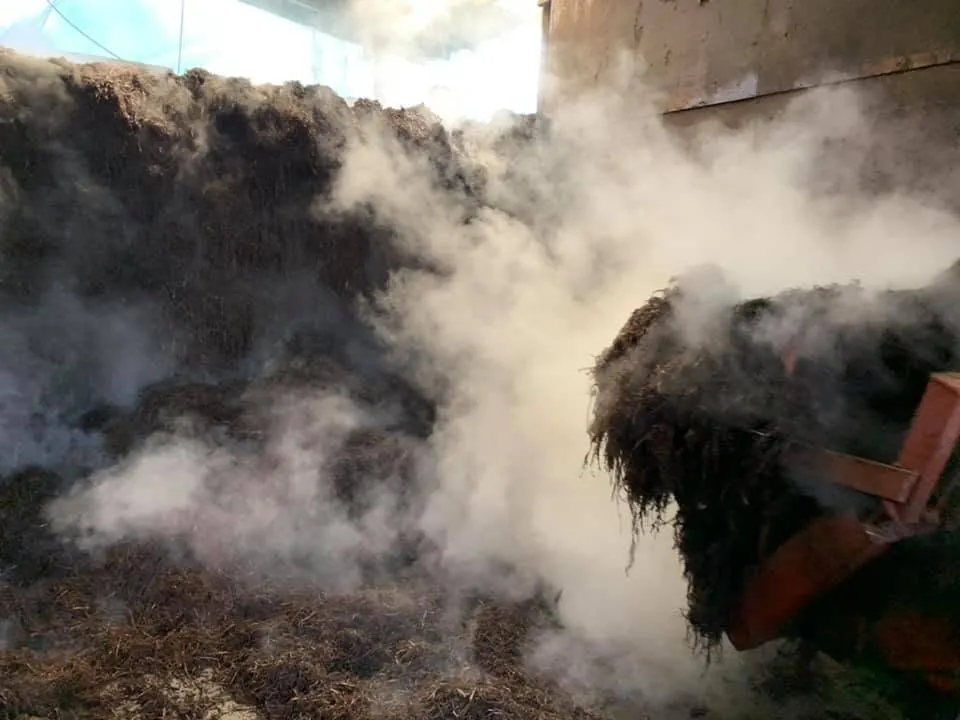
The finished compost is mixed with mushroom spawn of the grower's chosen strain, often with a slow-release supplement.
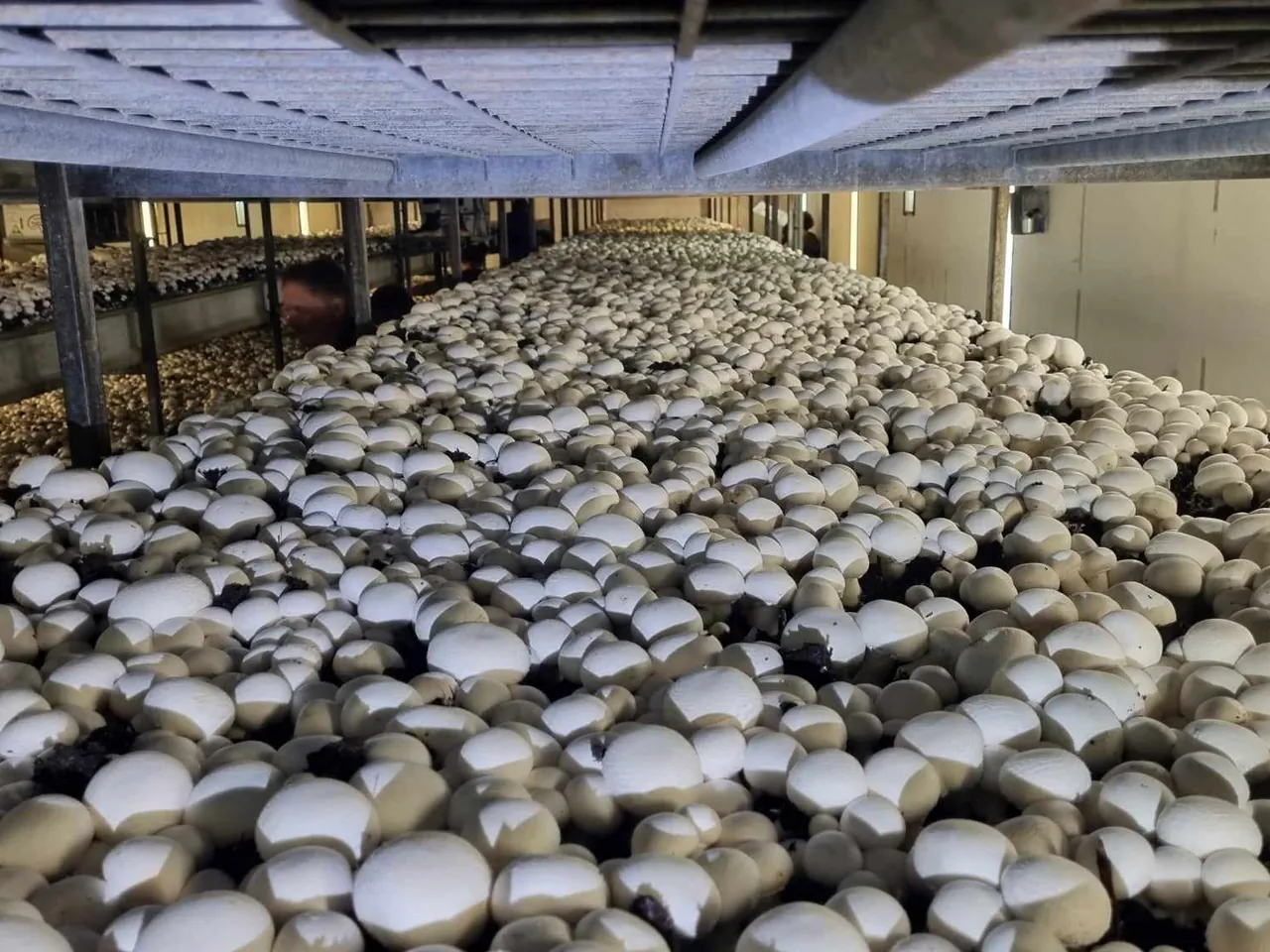
Once the compost is fully colonised, a 40–50 mm layer of wet peat and lime ‘casing’ goes on top and is kept moist for about a week.
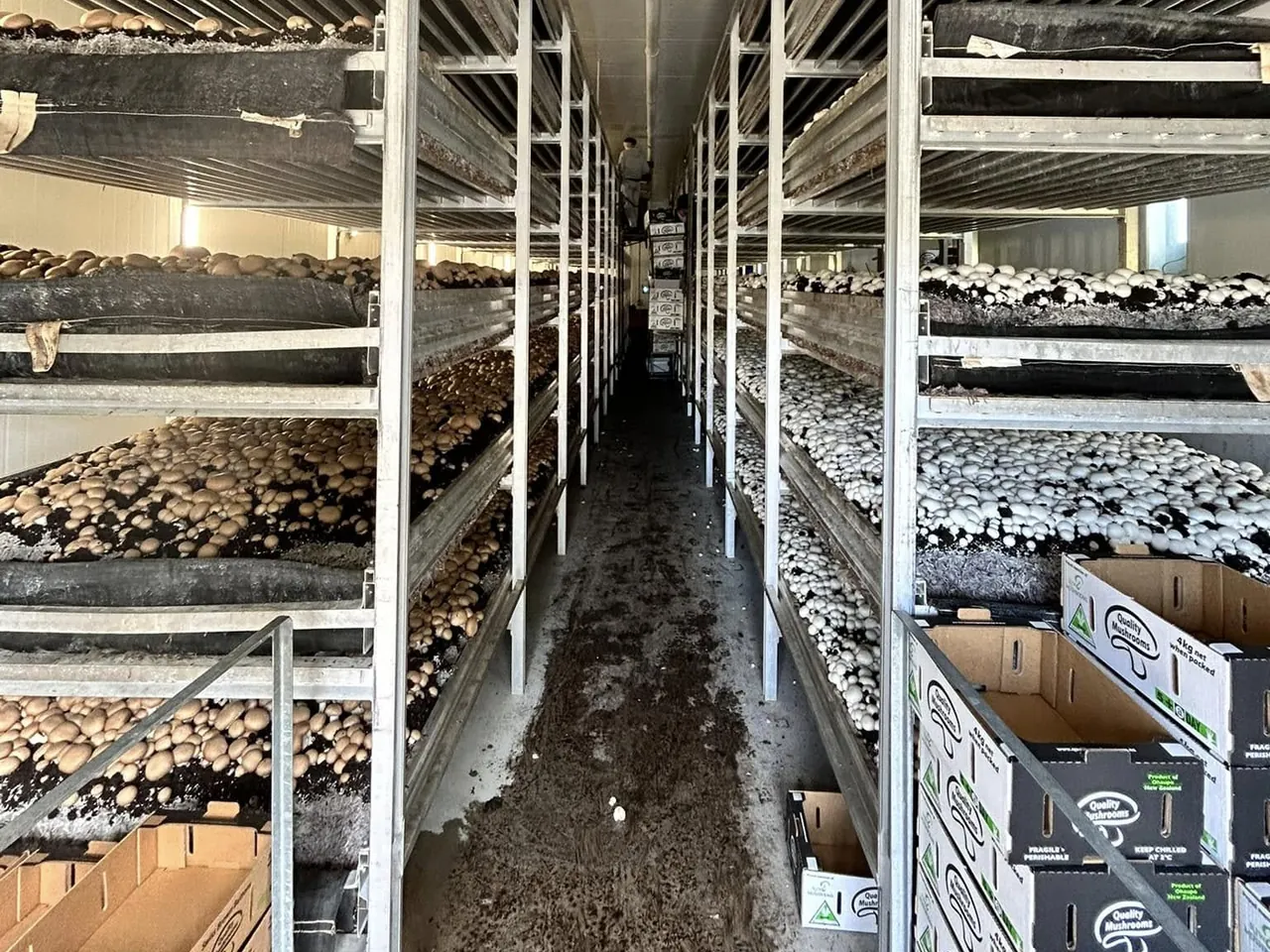
Every mushroom is picked by hand. White mushrooms are usually picked as tight buttons, sometimes several times a day for the best quality.
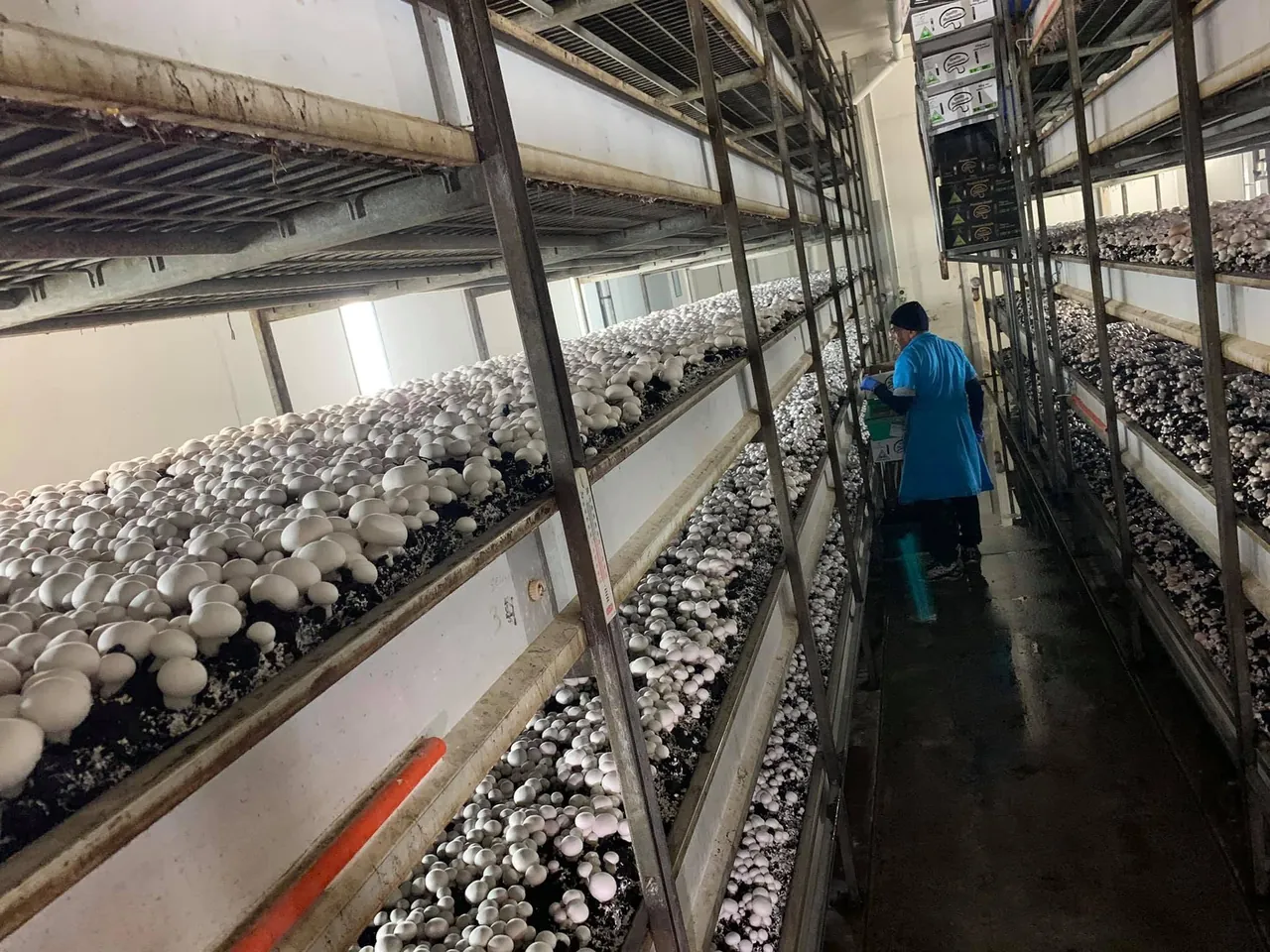
Freshly picked mushrooms are cooled straight away, then graded and packed into punnets and cartons in a temperature-controlled room.
Growing process adapted from the Federation's grower guide. Photos from Quality Mushrooms (Ōhaupō) and Out of the Dark Mushrooms.
FAQs
Because mushrooms don't need light to grow. They get all their nutrients from the compost they grow in, so commercial mushrooms are grown indoors in climate-controlled rooms and are available all year round.
Mushrooms are fungi, not plants, but in the kitchen they're used like a vegetable. They're low in fat and a source of B vitamins, potassium and selenium.
Keep them in the fridge, in their original packaging or a paper bag, and use them within a few days for the best flavour and texture.
In New Zealand, button and brown mushrooms are grown on compost made from wheat straw, chicken manure, gypsum and water, topped with a layer of peat and lime. Exotic varieties such as shiitake are grown on logs or blocks.
Grow with us
Join the Federation to connect with fellow growers, share know-how and help champion New Zealand-grown mushrooms.